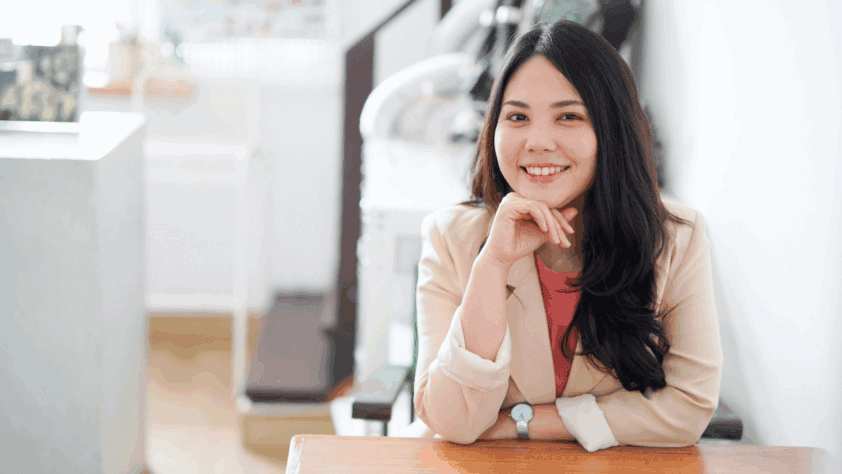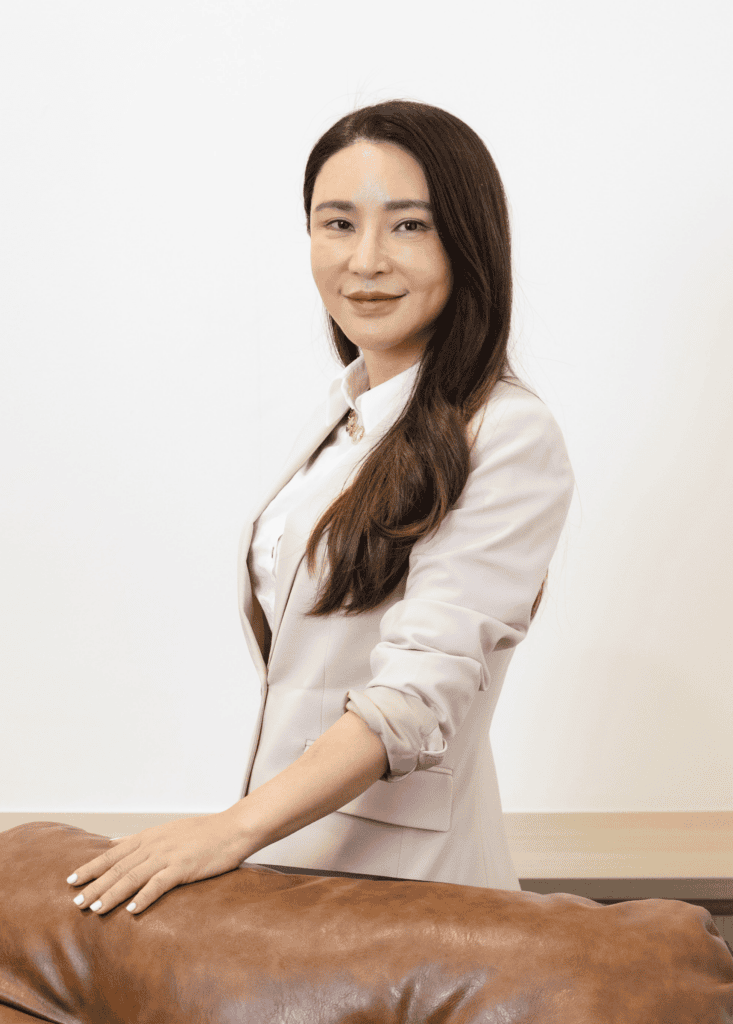
Chairman, Shanghai Dewen Health
Management Consulting Co., Ltd.
The Healthcare and Anti-Aging Mogul on Why Meditation Is the Most Valuable Investment in life.
In China’s healthcare and wellness industry, Vera Yang is a name that needs little introduction. A formidable entrepreneur with nearly 15 years of experience, she began with her first hospital in Shanghai before steadily expanding to Chengdu and Inner Mongolia. Her portfolio spans medical services, aesthetic medicine, and holistic health – fields where precision, responsibility, and trust are non-negotiable.
Yet behind the polished success story lies a life of relentless pressure. Working in healthcare means dealing daily with life-and-death decisions, rising patient expectations, and an industry that evolves at lightning speed. For years, Vera clocked 15 to 16 hours a day, traveled constantly to study global medical innovations, and held herself to uncompromising safety standards.
The toll was inevitable. Chronic stress, severe insomnia, and emotional exhaustion intensified during the COVID-19 pandemic, eventually leading her to anxiety and depression. “I realized that detox retreats and switching off my phone no longer worked,” she says. “When the problem is the mind, you have to heal it at the root.”
That realization marked the beginning of her journey into meditation.
Today, at 48, she still works long hours – but with a calmer mind, sharper focus, and a deeper sense of happiness. She has discovered that success doesn’t have to come from constant struggle. When you are fully present and clear about your goals, the path unfolds naturally.
You’ve been running multiple businesses and traveling constantly for over 15 years. How did you manage family life during that time?
(Laughs) It’s actually quite emotional to talk about. Traditionally in Chinese culture, women rest extensively after childbirth. In my case, I returned to work just 31 days after giving birth. Healthcare is not a business you can step away from casually. Safety, ethics, and accountability demand direct involvement.
My family helped tremendously with childcare,but professionally, I felt a deep responsibility. Everypatient’s safety rests on us. Over the years, we’vemaintained a flawless medical safety record, and thatcomes from strict standards and hands-on oversight.
You’re known for practicing Vipassana meditation—sometimes for up to an hour. What led you there?
Accumulated stress. For a long time, I carried everything alone. I didn’t want to worry my family or friends, and honestly, there wasn’t much they could do. A doctor friend suggested meditation, and I decided to explore it seriously.
At that point in my career, I had faced management failures, internal betrayal, and damaging rumors. Professionally and emotionally, it was devastating. Although I understood concepts like patience and forgiveness intellectually, I couldn’t truly let go. Meditation became my way of finding genuine inner peace.
Before meditation, how did you usually cope with stress?
Travel. I would disappear to a quiet place for two or three days, turn off my phone, and be alone. It helped temporarily but the problems were still there when I returned. In hindsight, it was avoidance, not healing.
Your first intensive retreat lasted seven days. How did it feel to give up your phone?
Honestly? Terrifying. It felt like the world would collapse without me. I lasted three days, panicked, reclaimed my phone, and went back to work. Two days later, I realized nothing had changed. I was just as stressed.
So I asked myself, “ If I truly want to change, why not go all the way?” I packed my bag and returned on day four. (Laughs)
—
View full content by subscribing or buy on Shopee.